


Table of Contents
What Are Lab-Grown Diamonds?
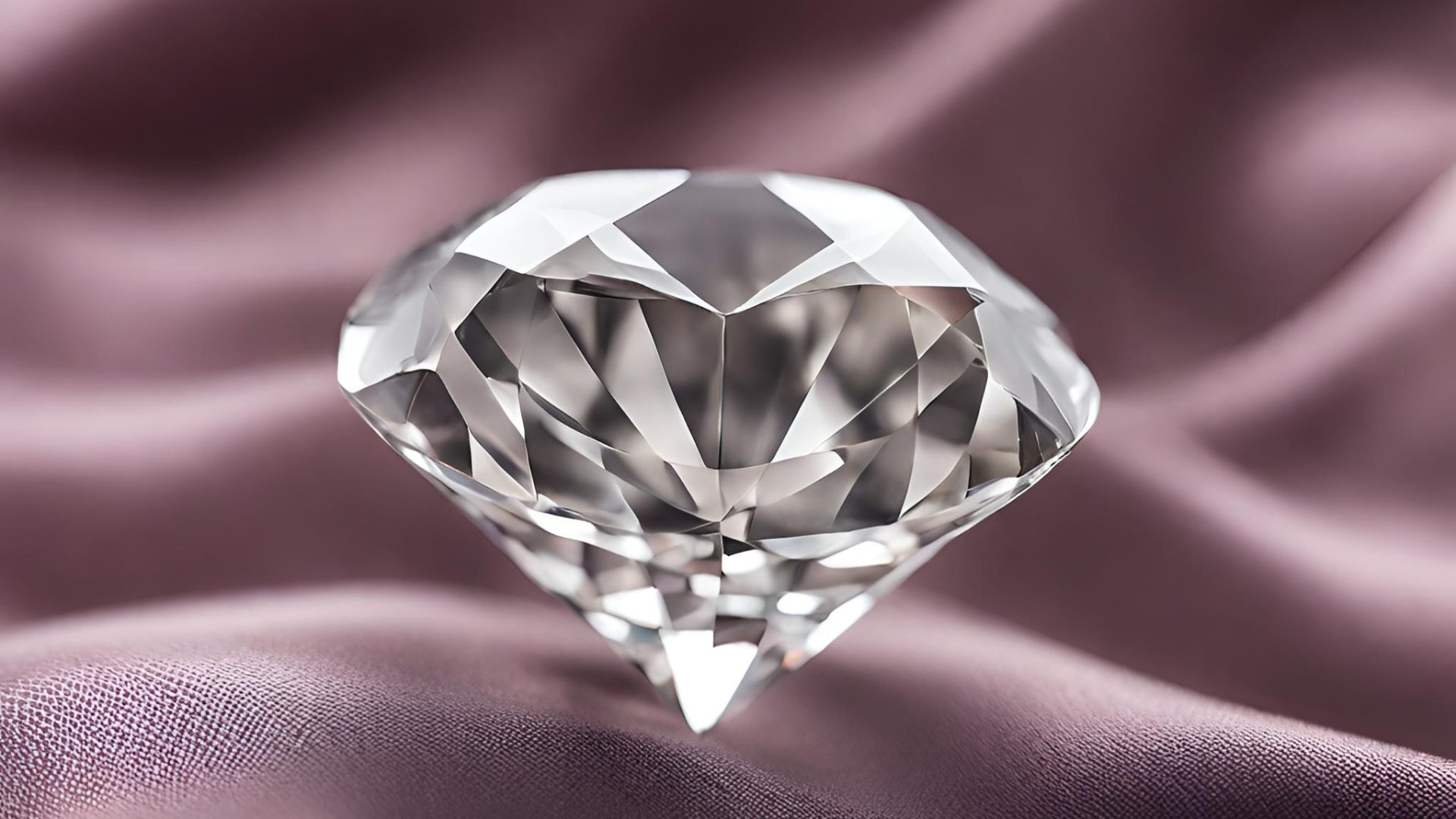
Lab-grown diamonds, also known as loose lab grown diamonds, are real diamonds that are produced in controlled laboratory environments rather than mined from the earth. These diamonds have the same physical, chemical, and optical properties as natural diamonds but are created using advanced technological processes.
How Are Lab-Created Diamonds Made?
There are two primary methods for creating lab-grown diamonds:
1. High Pressure High Temperature (HPHT)
This method mimics the natural conditions under which diamonds form in the Earth’s mantle. A carbon source is subjected to extreme heat and pressure, resulting in diamond crystallization.
2. Chemical Vapor Deposition (CVD)
In this process, a diamond seed is placed in a chamber filled with carbon-rich gas. The gas is ionized, breaking down the carbon atoms, which then bond to the seed, growing a diamond layer by layer.
Benefits of Loose Lab-Grown Diamonds
Choosing loose lab-created diamonds offers several advantages over natural diamonds:
1. Ethical and Conflict-Free
Lab-grown diamonds are guaranteed conflict-free, ensuring no human rights abuses or environmental destruction are involved in their production.
2. Environmentally Friendly
Mining natural diamonds causes significant ecological damage. Lab-created diamonds require fewer resources and produce a smaller carbon footprint.
3. Cost-Effective
Loose lab-grown diamonds are typically 20-40% cheaper than natural diamonds of the same quality, making them an affordable luxury.
4. Superior Quality and Clarity
Since they are created in controlled environments, lab-grown diamonds often have fewer inclusions and better clarity than mined diamonds.
How to Choose the Best Loose Lab-Grown Diamond
When shopping for loose lab-created diamonds, consider the 4 Cs:
1. Cut
The cut determines the diamond’s brilliance. Popular cuts include round, princess, and cushion.
2. Color
Lab-grown diamonds come in various colors, from colorless (D-F) to near-colorless (G-J).
3. Clarity
Look for diamonds with minimal inclusions (FL, IF, VVS, or VS grades).
4. Carat Weight
Choose a carat size that fits your budget and design preferences.
Where to Buy Loose Lab-Created Diamonds?
Many reputable jewelers and online retailers offer certified loose lab created diamonds. Always check for:
- IGI (International Gemological Institute) or GIA (Gemological Institute of America) certification
- Money-back guarantees and return policies
- Customer reviews and testimonials
Conclusion
Loose lab-grown diamonds offer a sustainable, ethical, and budget-friendly alternative to mined diamonds without compromising on beauty or quality. Whether for engagement rings, earrings, or other jewelry, lab-created diamonds are the perfect choice for the eco-conscious consumer.
Would you like any modifications or additional details?


