





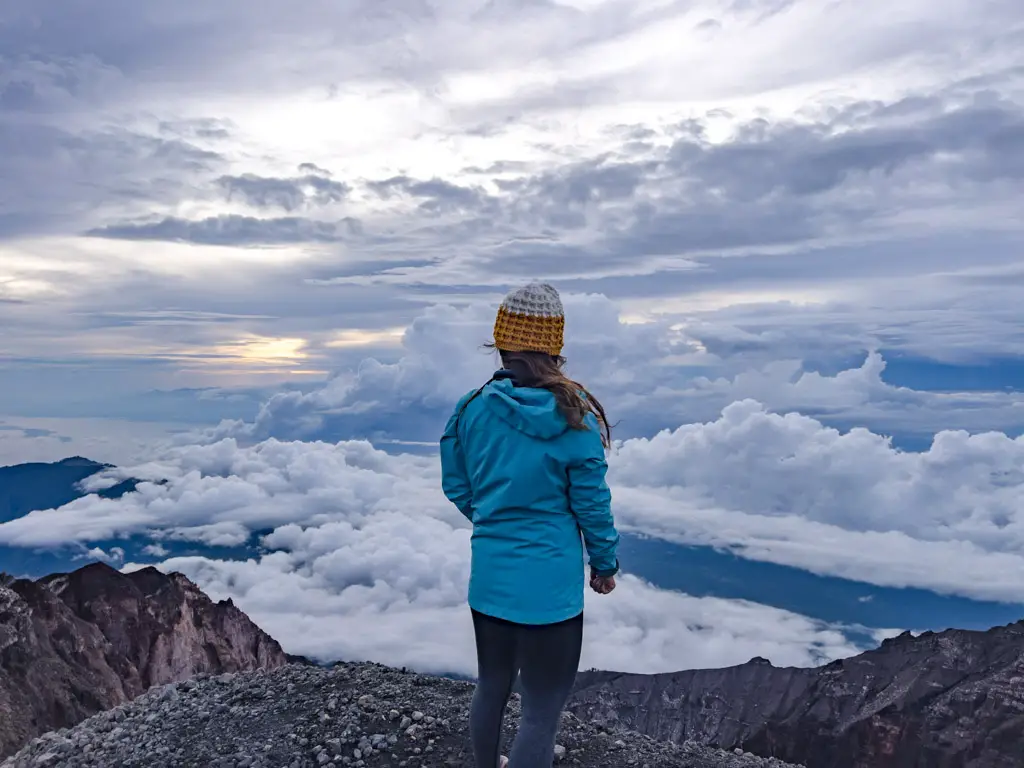
Introduction to Mount Rinjani
Mount Rinjani stands majestically at 3,726 meters on Lombok Island, Indonesia, drawing thousands of adventurers annually to its breathtaking landscapes. As the second-highest volcano in Indonesia, Rinjani offers trekkers an unforgettable experience with its crater lake, hot springs, and panoramic views. However, understanding the Rinjani trekking price structure is crucial for planning your expedition effectively.
The allure of Rinjani goes beyond its physical challenge. Trekkers encounter diverse ecosystems, from lush forests to barren volcanic landscapes. The summit rewards hikers with views of Bali’s Mount Agung, the Gili Islands, and on clear days, even parts of Sumbawa. At the heart of Rinjani lies Segara Anak, the crater lake with its mystical blue waters and spiritual significance to locals.
Understanding Rinjani Trekking Price Components
The Rinjani trekking price varies significantly based on several factors. Knowing these components helps travelers budget accurately and avoid unexpected expenses.
Base Package Inclusions
Standard Rinjani trekking packages typically include:
- Professional guides and porters
- Camping equipment (tents, sleeping bags, mattresses)
- Meals and drinking water during the trek
- Entrance fees to Rinjani National Park
- Transportation to and from your accommodation
The quality of these inclusions directly impacts the overall cost. Premium packages offer experienced English-speaking guides, high-quality camping gear, and more varied meal options.
Duration Impact on Pricing
The length of your trek significantly affects the Rinjani trekking price:
- 2-day/1-night trek (usually to Plawangan Senaru crater rim): $150-250 per person
- 3-day/2-night trek (including crater lake): $250-350 per person
- 4-day/3-night trek (complete summit circuit): $350-500 per person
These prices represent averages for standard packages in 2025. During high season (July-August), expect a 10-20% premium on these rates.
Group Size and Private Tours
Group size dramatically impacts costs:
- Joining open groups (4-8 people): Most economical option, approximately $200-300 for standard 3-day treks
- Small private groups (2-3 people): Mid-range pricing, approximately $300-450 for standard 3-day treks
- Solo trekkers with private guide: Premium pricing, approximately $400-600 for standard 3-day treks
Private tours offer flexibility with departure dates and pace but come at a higher Rinjani trekking price point compared to joining scheduled group departures.
Seasonal Price Variations
High Season (July-September)
During peak months, particularly July and August when weather conditions are most favorable, prices increase by 15-25%. The dry season offers clearer views and more predictable trekking conditions, attracting larger crowds.
Average high-season Rinjani trekking price (3-day package): $280-380
Shoulder Season (April-June, October-November)
These transitional months offer good value with slightly lower prices and fewer crowds. Weather remains generally favorable, though with increased chances of afternoon showers.
Average shoulder season price (3-day package): $230-330
Low Season (December-March)
The rainy season brings substantial discounts but also higher cancellation rates due to unsafe conditions. From January to March, the mountain is typically closed for trekking.
Average low-season price (when available): $200-280
Official vs. Unofficial Operators
Licensed Tour Operators
Working with licensed operators ensures proper safety protocols, insurance coverage, and fair treatment of guides and porters. These companies typically charge a Rinjani trekking price in the mid-to-high range but provide peace of mind through:
- Proper permits and insurance
- Trained emergency response personnel
- Quality equipment and food
- Fair wages for support staff
Unofficial and Budget Options
Some travelers seek savings through unofficial operators or direct arrangements with local guides. While these may reduce your initial Rinjani trekking price by 30-40%, they often come with:
- Reduced safety measures
- Lower quality equipment
- Limited or no insurance coverage
- Potential permit issues
The environmental and ethical implications of ultra-budget options include unfair porter working conditions and potential corner-cutting on waste management.
Package Quality Comparison
Budget Packages ($150-250 for 3 days)
- Basic local food (primarily rice, noodles, eggs)
- Shared equipment and larger groups
- Basic English communication
- Minimal pre-trek support
Standard Packages ($250-350 for 3 days)
- Improved food variety including fresh vegetables and meat
- Better quality equipment
- Guides with good English proficiency
- Pre-trek briefing and support
Premium Packages ($350-500+ for 3 days)
- High-quality varied meals, often with fresh coffee
- Superior camping equipment and comfort items
- Highly experienced guides with excellent English
- Comprehensive support services before and after the trek
- Smaller groups or private tours
Hidden Costs and Additional Expenses
When calculating your total Rinjani trekking price, be aware of these potential extra costs:
Essential Add-ons
- Porter tips: $5-15 per day per porter is customary
- Additional water beyond included allowance: $2-4 per large bottle
- Transportation to Lombok if not included: $20-50 depending on starting point
- Pre and post-trek accommodation: $20-100 per night depending on standard
Optional Extras
- Camera fees at certain viewpoints: $1-2
- Hot spring entrance fees if not included: $5-7
- Waterproof gear rental if needed: $5-15
- Extra porter for personal items: $25-40 per day
Booking Methods and Price Impacts
Direct Booking in Lombok
Arranging your trek after arriving in Lombok often yields savings of 10-30% compared to online bookings. Negotiation is possible, especially for groups and off-peak treks.
Online Pre-booking
Securing your trek online before arrival typically costs more but provides:
- Guaranteed availability during peak seasons
- More comprehensive information and reviews
- Better operator vetting
- Clearer cancellation policies
Booking Through Accommodations
Many hotels and hostels in Senaru, Sembalun, and even Bali offer trekking packages. These arrangements typically add a 10-15% commission to the base Rinjani trekking price but provide convenience.
Value Optimization Tips
Best Value Seasons
April-May and October offer the best combination of favorable weather, reasonable prices, and manageable crowd levels.
Group Formation Strategies
Joining or forming small groups of 4-6 people often hits the sweet spot for both cost efficiency and quality experience.
Package Negotiation Points
When discussing prices with operators, these aspects are often negotiable:
- Group size discounts
- Off-peak pricing
- Equipment upgrades
- Transportation inclusions
- Accommodation add-ons
Environmental and Ethical Considerations
The increasing popularity of Rinjani trekking has environmental consequences. Responsible operators typically charge a higher Rinjani trekking price but implement:
- Proper waste management systems
- Fair porter treatment (appropriate weight limits and compensation)
- Environmental education for trekkers
- Contributions to conservation efforts
Consider these factors when comparing prices, as the cheapest options often externalize these costs to the environment and local communities.
Conclusion
The Rinjani trekking price reflects much more than just a guided walk up a mountain. It encompasses safety measures, environmental responsibility, staff welfare, and the quality of your overall experience. While budget options start around $150 for shorter routes, most travelers find the best value in mid-range packages ($250-350) that balance cost with quality and responsibility.
When planning your Rinjani adventure, consider allocating a budget of $300-400 per person for a 3-day trek (plus tips and personal extras) for the best combination of experience, safety, and ethical practices. This investment delivers not just access to one of Indonesia’s most spectacular natural wonders but also contributes to the sustainable future of this remarkable destination.
